Traditional English · Key of G · Public domain
This chart was made with the free Chord Sheet Maker: write your own charts, transpose in one click, print clean copies.
Opens in the Chord Sheet Maker in this key: change chords, add strumming patterns, and make it yours, with no account needed to start. A free account adds PDF downloads for printing.
Have your own songs? Start a blank chart from scratch, free →
This chart is written in G. Tap any key above the chart to see the whole song in that key, with every chord already worked out. To stay in G with different chord shapes, play it capo 3 with the E shapes, or capo 5 with the D shapes, or capo 7 with the C shapes. Singing with a group? Pick the key where the highest note is comfortable for everyone, then print that page.
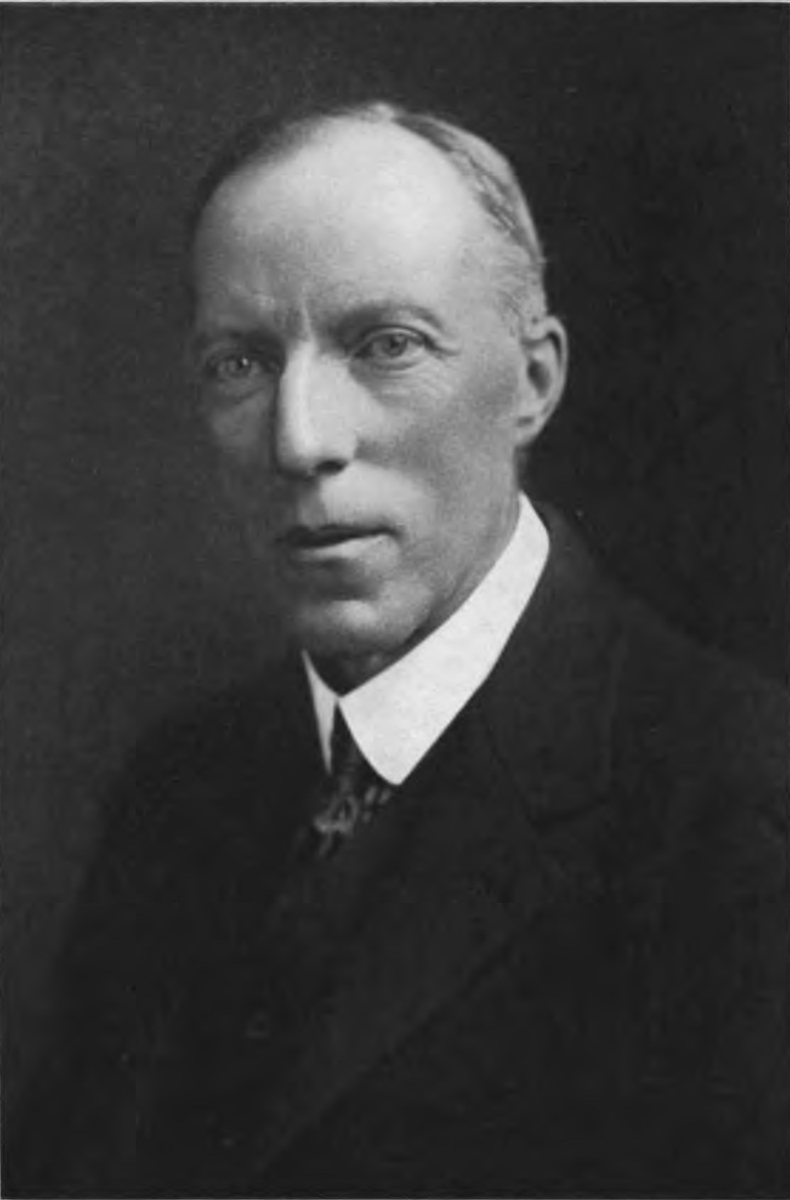
The Water Is Wide is an English folk song that Cecil Sharp wrote down in Somerset. He took the words and the tune from a Mrs. Cox of High Ham, collected the song four more times in the county with the words and tunes "varying considerably," and published it in 1906 in the third series of Folk Songs from Somerset, the collection he edited with the Reverend Charles Marson. Sharp called it O Waly, Waly, because so much of it matched the old Scottish song of that name: the verse about leaning on an oak that bends and breaks, and the one about love growing cold and fading like morning dew, were already in print in Scotland in Allan Ramsay's Tea-Table Miscellany of 1724. The Scots song in turn belongs to the ballad Jamie Douglas, which tradition ties to the unhappy marriage of Lady Barbara Erskine and the second Marquis of Douglas around 1670.
Sharp's six verses are the ones the world now sings. Benjamin Britten set them for voice and piano in 1948, the tune carries the hymn When I Survey the Wondrous Cross in many churches, and Pete Seeger made the song a folk revival standard under the name of its first line. It has since been sung by James Taylor, Joan Baez, the Seekers, Karla Bonoff and dozens more, which is why so many people know it with slightly different words ("I can't cross o'er," "build me a boat"). This chart keeps the words exactly as Sharp printed them in 1906. Words and melody are in the public domain.
Six chords in G: G, C, Em, D, Bm and a D7 at the cadence, and every verse uses the same four lines. Count a slow four and let the chords ring; this is a song for fingerpicking or a gentle bass-and-strum, not a hard rhythm. The first line rocks from G to C and back, the second drops to E minor and climbs through C to D, the third sits on B minor for "boat" and moves to C, and the last line comes home through D7 on "row" to G on "love." If the B minor barre is new to you, play a G there instead; several arrangements do. Sung by a group, give the long notes at the end of each line their full length, and keep the last verse quiet.
Tap any chord for its diagram, other voicings, and the notes inside it.
Another old English ballad: Scarborough Fair chords and lyrics
All the campfire and folk song chord sheets, each one in every key.
Further reading: The Water Is Wide (Wikipedia)